The Ultimate Guide to Handling Pain When Running
Whether you are an experienced marathoner or just beginning your running journey, comprehending the different kinds of pain that can develop and the approaches to address them is crucial. From pre-run warm-up routines to proper footwear option, there are many factors to take into consideration when it comes to dealing with pain while running.
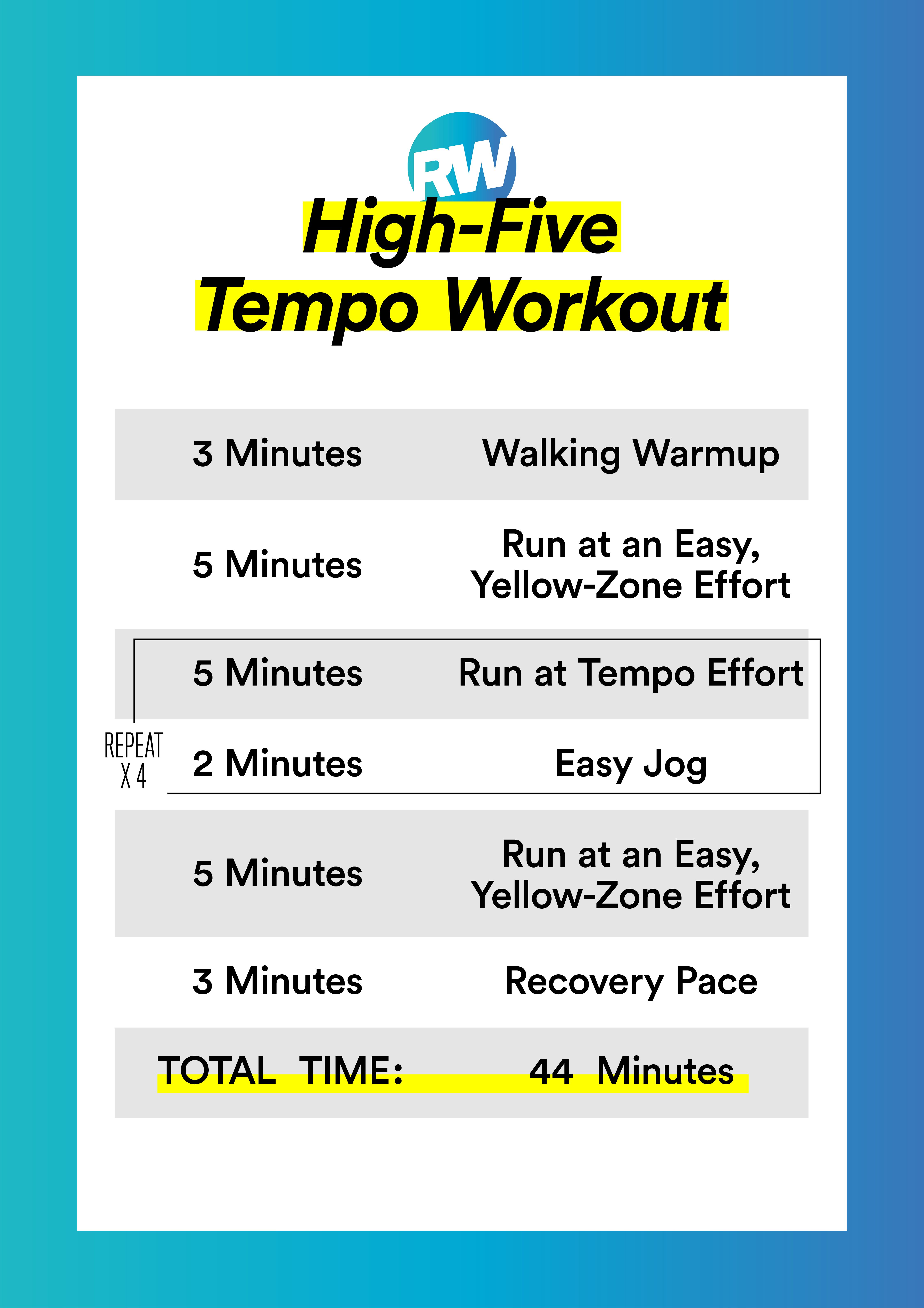
Recognizing Different Sorts Of Running Pain
When running, it is important to compare different types of discomfort to avoid injuries and make best use of performance (Read More). One usual kind of pain that joggers may experience is muscle mass pain, which typically emerges from the anxiety placed on muscular tissues throughout workout. This kind of pain is frequently a normal component of the running process and can be taken care of via proper warm-up, cool-down, and extending routines
An additional kind of pain to be knowledgeable about is joint pain. Joint discomfort can show problems such as overuse, inappropriate form, or underlying problems like arthritis. Neglecting joint discomfort can lead to extra severe injuries, so it is vital to address any kind of discomfort immediately and possibly look for specialist recommendations.
Additionally, sharp or stabbing pains ought to not be disregarded. These kinds of discomfort can indicate severe injuries such as stress, strains, or anxiety fractures - running strategy. Remaining to run through these kinds of pain can aggravate the injury and prolong recovery time
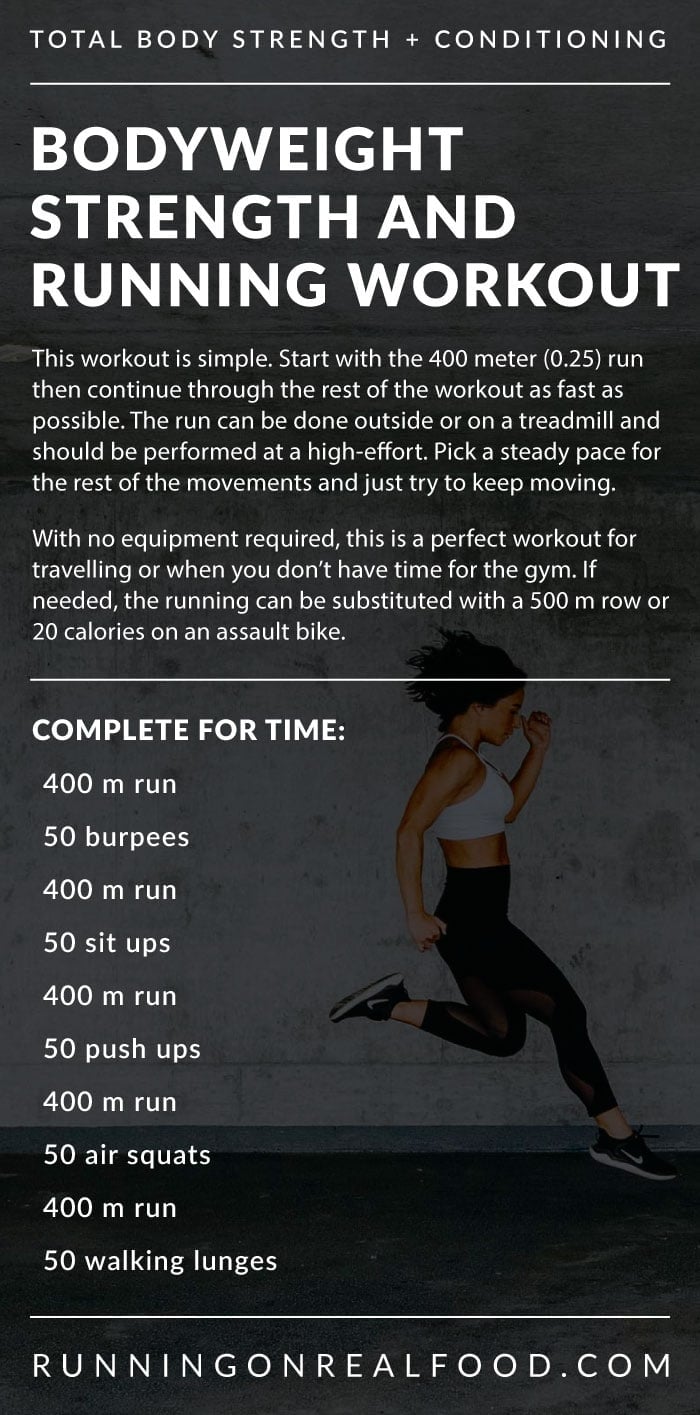
Pre-Run Workout and Stretching Regular
To prepare the body for a running session, executing a reliable pre-run workout and stretching regular is crucial. A proper warm-up aids enhance blood circulation to the muscular tissues, improves versatility, and minimizes the danger of injury throughout the run. Begin with vibrant stretches like leg swings, arm circles, and high knees to progressively raise your heart price and loosen up the muscular tissues. Dynamic extending aids mimic the movements you'll be doing while running, preparing your body for the activity in advance. Follow this with fixed stretches focusing on significant muscular tissue teams such as the hamstrings, quadriceps, calves, and glutes. Hold each go for concerning 15-30 seconds without bouncing to promote muscle mass relaxation and versatility. Bear in mind to pay attention to your body and adjust the intensity of your workout based on your physical fitness degree and any kind of pre-existing conditions. By integrating a regular pre-run workout and extending regular right into your running program, you can optimize efficiency and minimize the risk of pain or injury.
Appropriate Footwear Selection and Fit
When choosing running shoes, it is vital to take into consideration elements such as foot kind, running stride, arch support, cushioning, and footwear this article size. Visiting a specialized running shop for a stride evaluation and professional fitting can aid make certain that you pick the right shoes for your private needs. Investing in top notch footwear that is appropriate for your running style and foot makeup is a positive step towards stopping pain and injuries during your runs.
Nutrition and Hydration Tips for Discomfort Avoidance

Hydration is equally essential for runners to avoid aches, dehydration, and other discomforts that can bring about discomfort throughout running. It is suggested to consume alcohol an appropriate amount of water throughout the day and especially before, during, and after running sessions. Electrolyte-rich beverages or sports beverages can additionally be beneficial for restoring shed minerals and preserving appropriate liquid balance. running workout (Read More). By focusing on nourishment and hydration, joggers can boost their performance, minimize pain, and appreciate an extra comfortable running experience.
Post-Run Healing Techniques to Alleviate Pain
Applying efficient recuperation techniques is important for minimizing pain and advertising muscular tissue healing after running sessions. One essential post-run healing technique is stretching. Integrating fixed go for significant muscle teams can help in reducing muscle tension and discomfort. Foam rolling is one more valuable practice to release muscular tissue tightness and improve blood circulation to the muscular tissues, aiding in quicker healing. In addition, icing aching areas for 15-20 minutes can help in reducing inflammation and numb discomfort post-run.
Moisturizing properly post-run is important for replenishing liquids lost during workout and helping in muscular tissue recuperation. Eating a balanced treat or meal that consists of healthy protein and carbohydrates within half an hour of completing a run can help repair muscle tissue and restore energy stores. Furthermore, obtaining adequate remainder is essential for enabling the body to fix and enhance muscular tissues. Integrating energetic recovery activities such as light walking or swimming can additionally assist promote blood flow and decrease muscle mass rigidity - Read More. By incorporating these post-run recovery techniques right into your routine, you can efficiently manage discomfort and maximize your running performance.
Verdict
To conclude, dealing with various sorts of running discomfort through correct warm-up, extending, footwear option, nutrition, hydration, and post-run recovery methods is crucial for pain prevention and monitoring. By recognizing the root causes of pain and executing these approaches, runners can lessen pain and potential injuries. It is important to focus on general physical health and health to make sure an effective and satisfying running experience.